Why do people make the long trip to Chiang Rai?
Chiang Rai has three art landmarks you won’t find near Chiang Mai, and a guided day trip lets you see them without changing hotels in Chiang Mai. The White Temple (Wat Rong Khun), the Blue Temple (Wat Rong Suea Ten) and the Black House (Baan Dam Museum) are three artistic visions of contemporary Thai art and Buddhist symbolism, all modern work. The catch is the road. Chiang Rai sits about 185 km away, about 3 hours each way, and published tours run 12–14 hours door to door. It is a long but rewarding day, and it suits some travelers far better than others.
If you have three or four days in Chiang Mai, a tour folds pickup, driver, stops and the drive home into one booking, without planning a 12-hour driving day yourself.
White, Blue and Black in one day: what will you see?
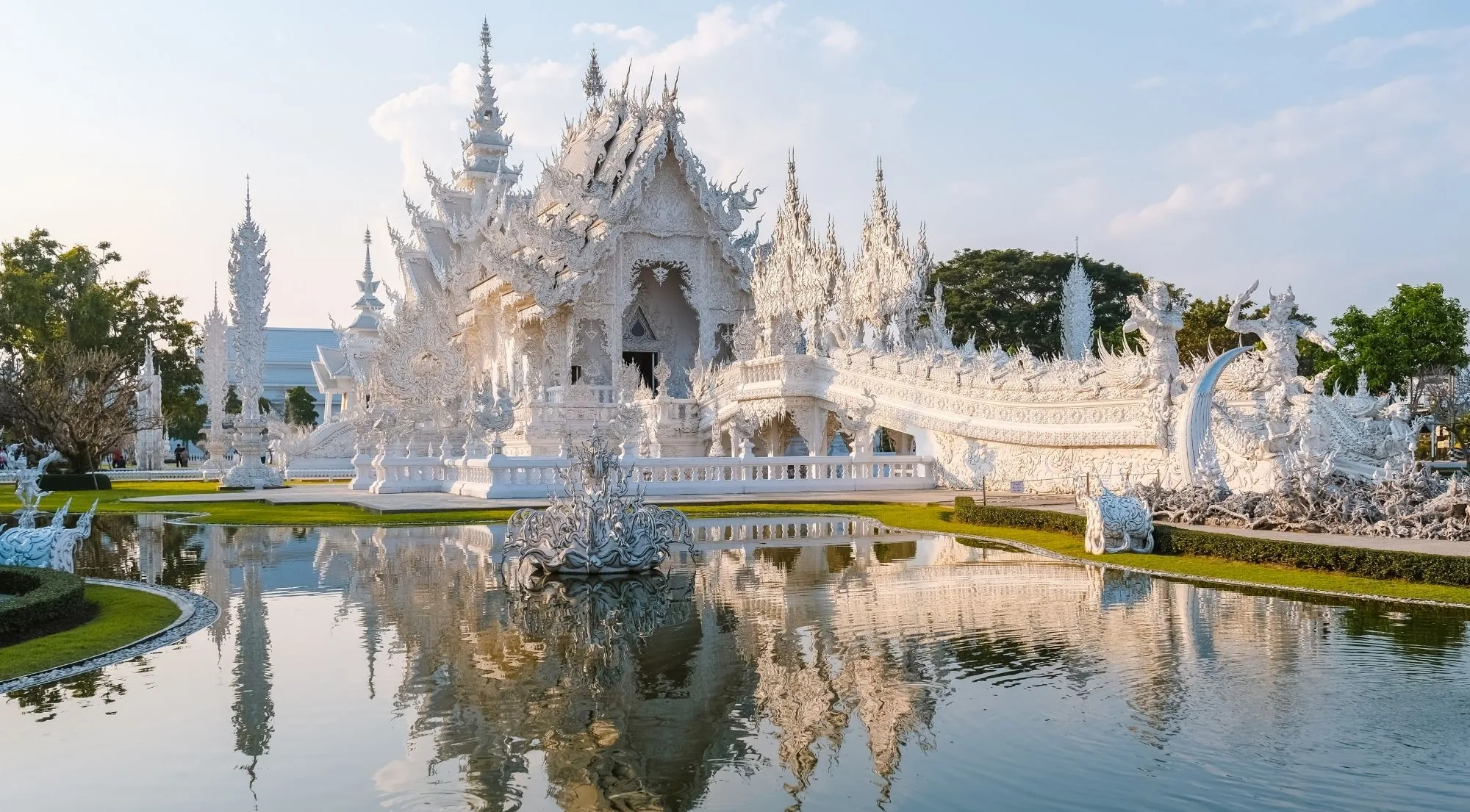
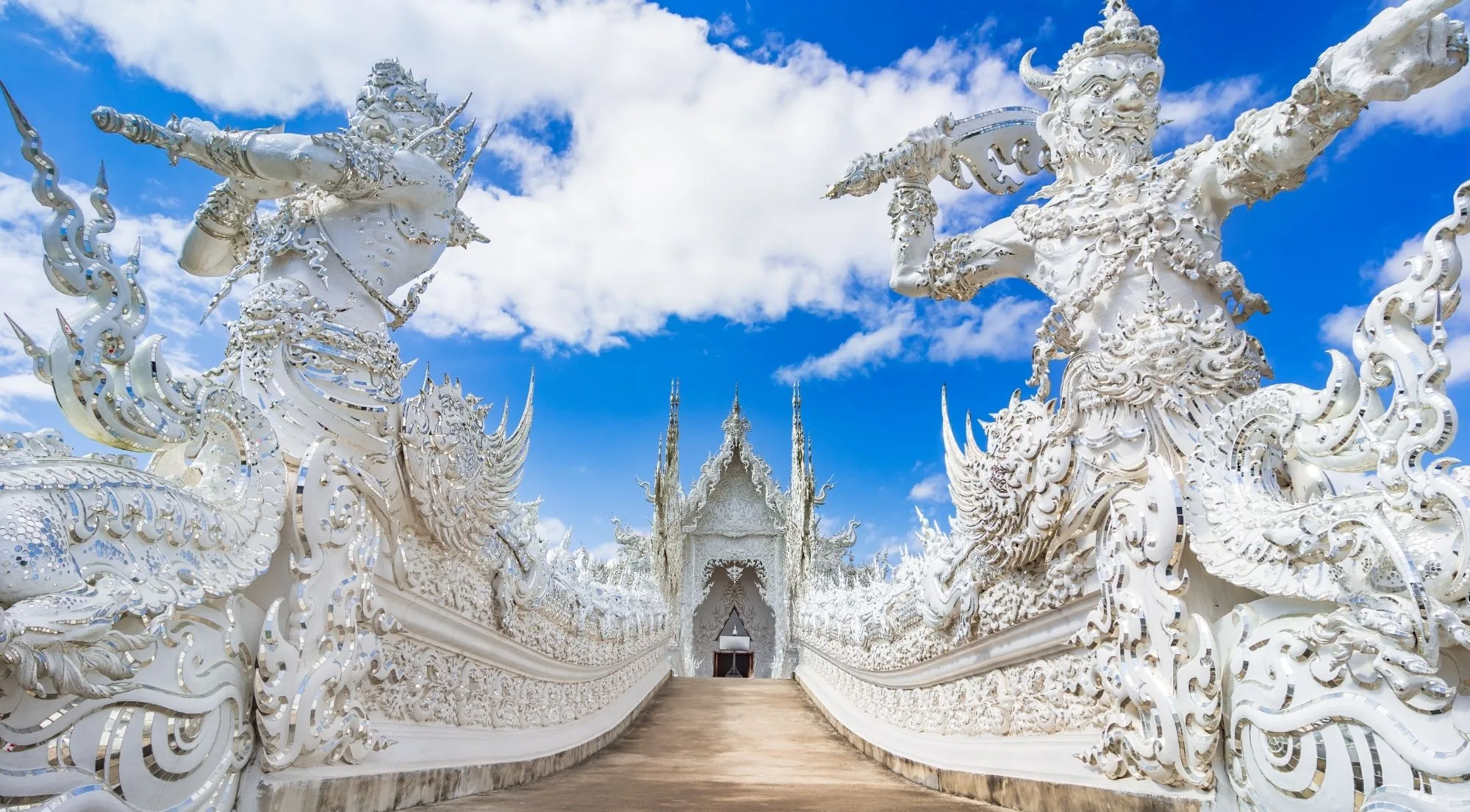
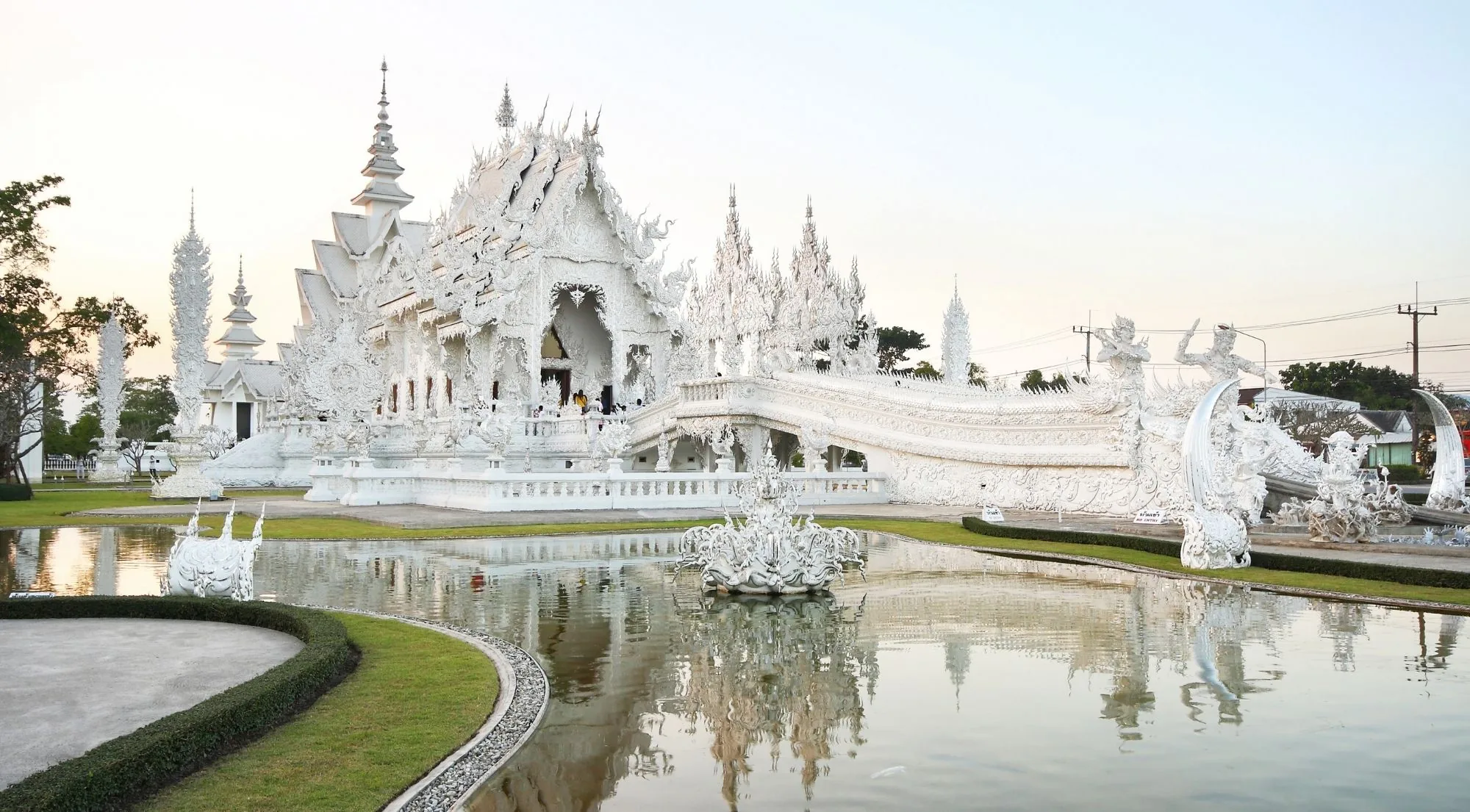
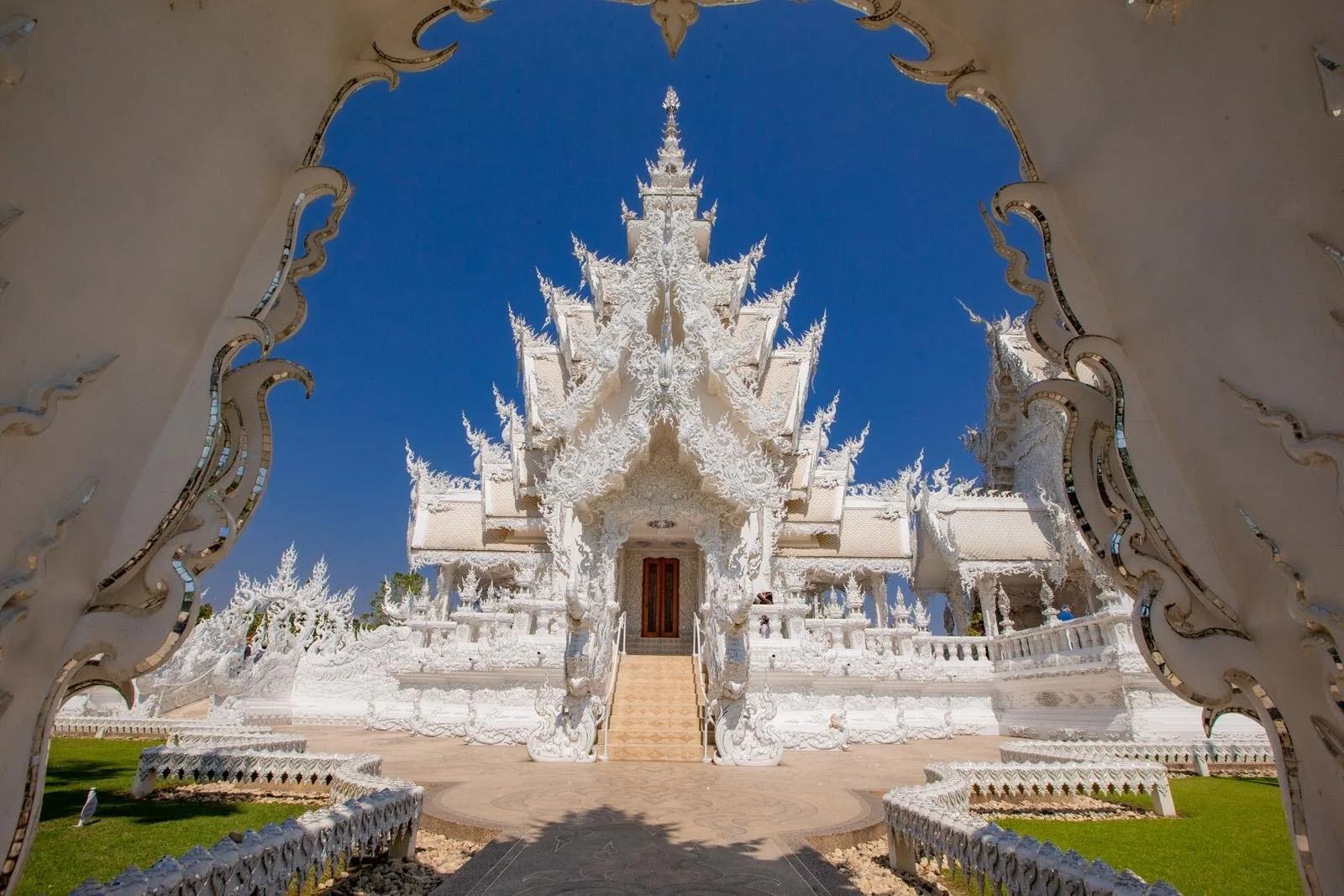
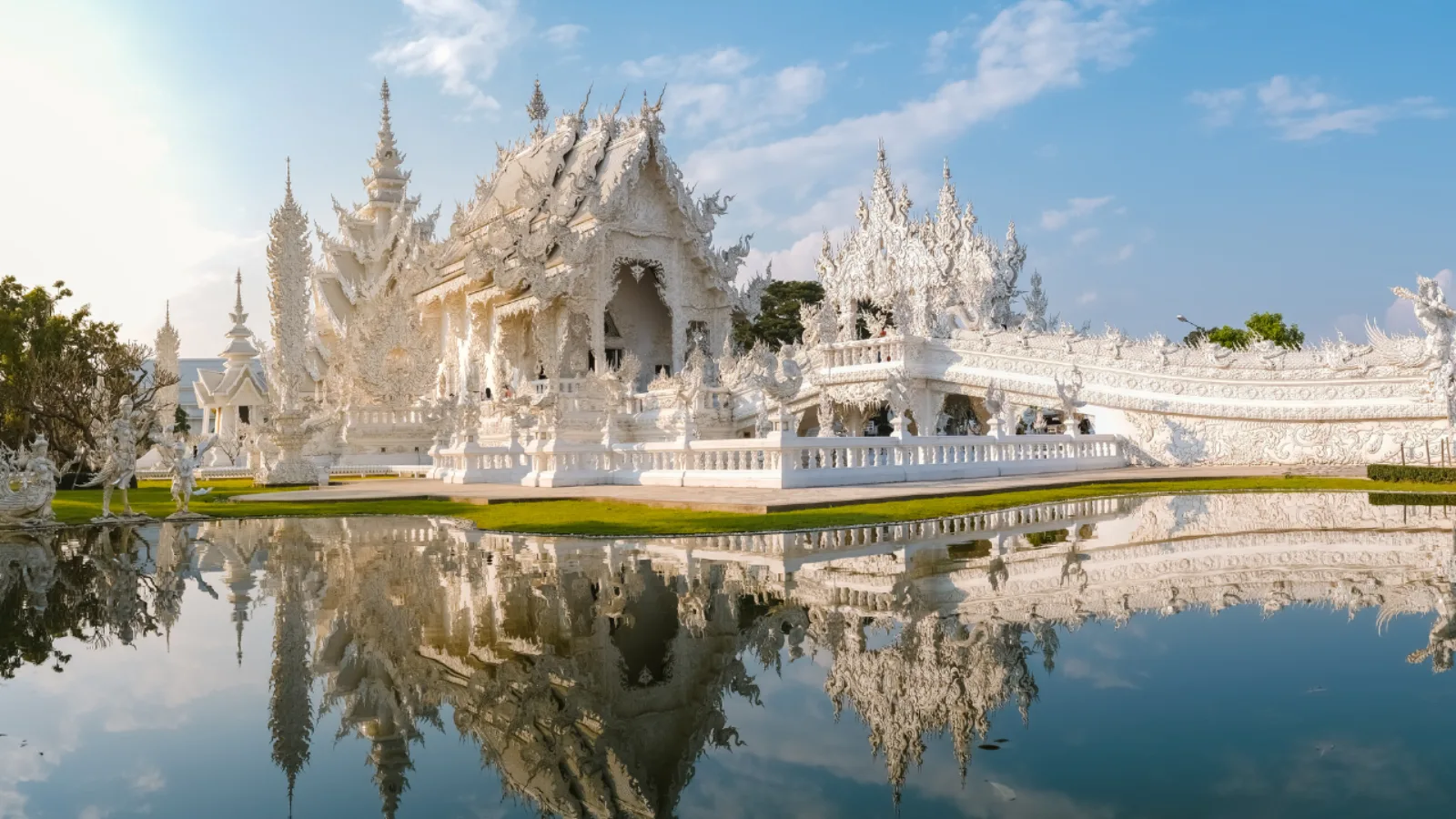
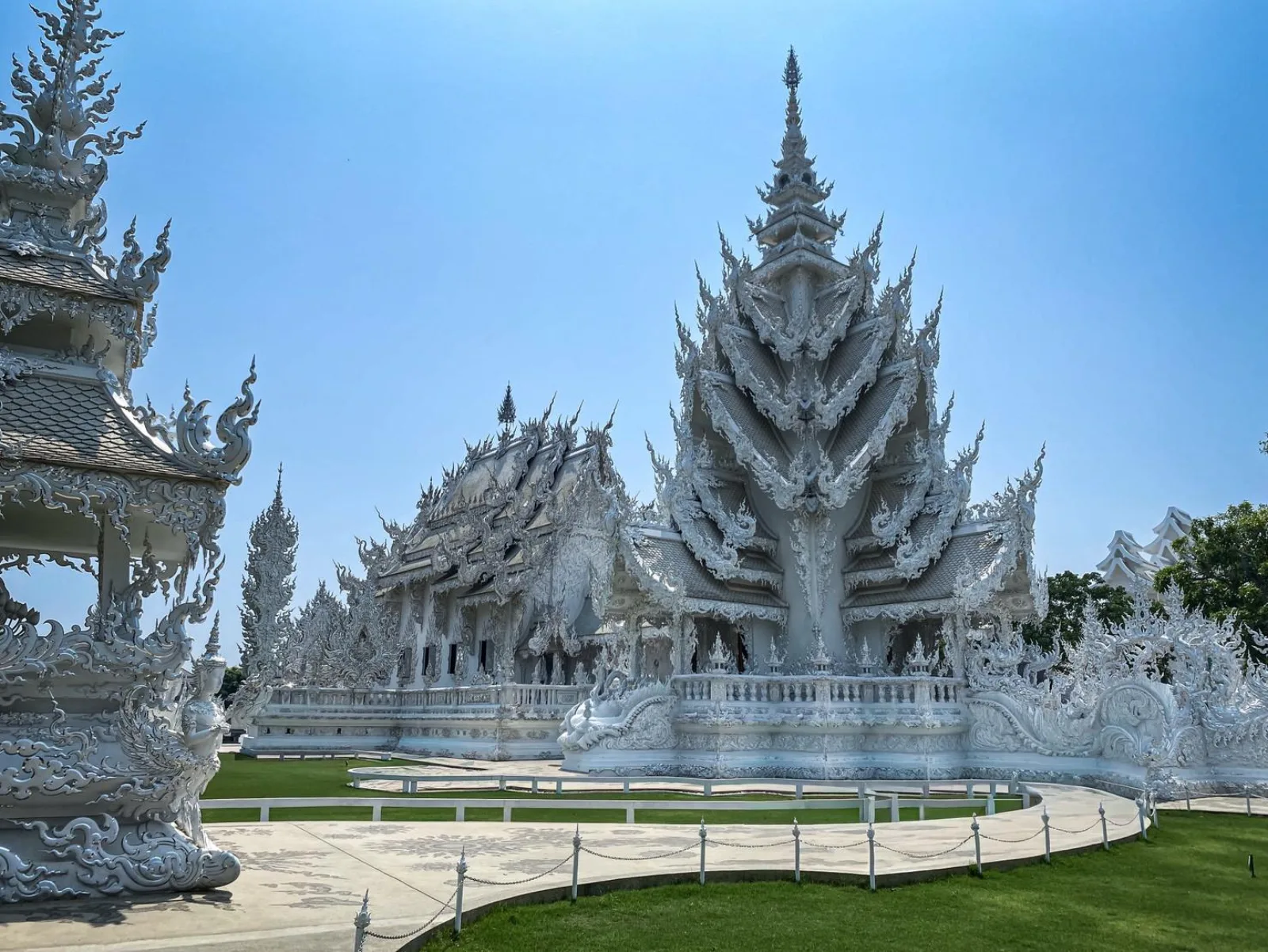
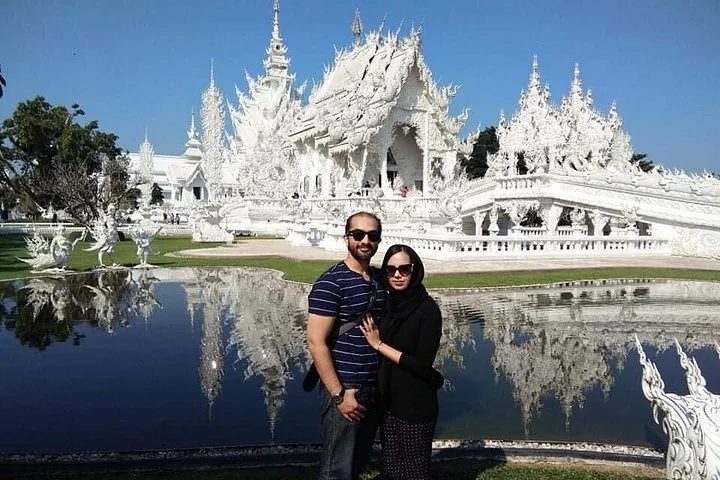
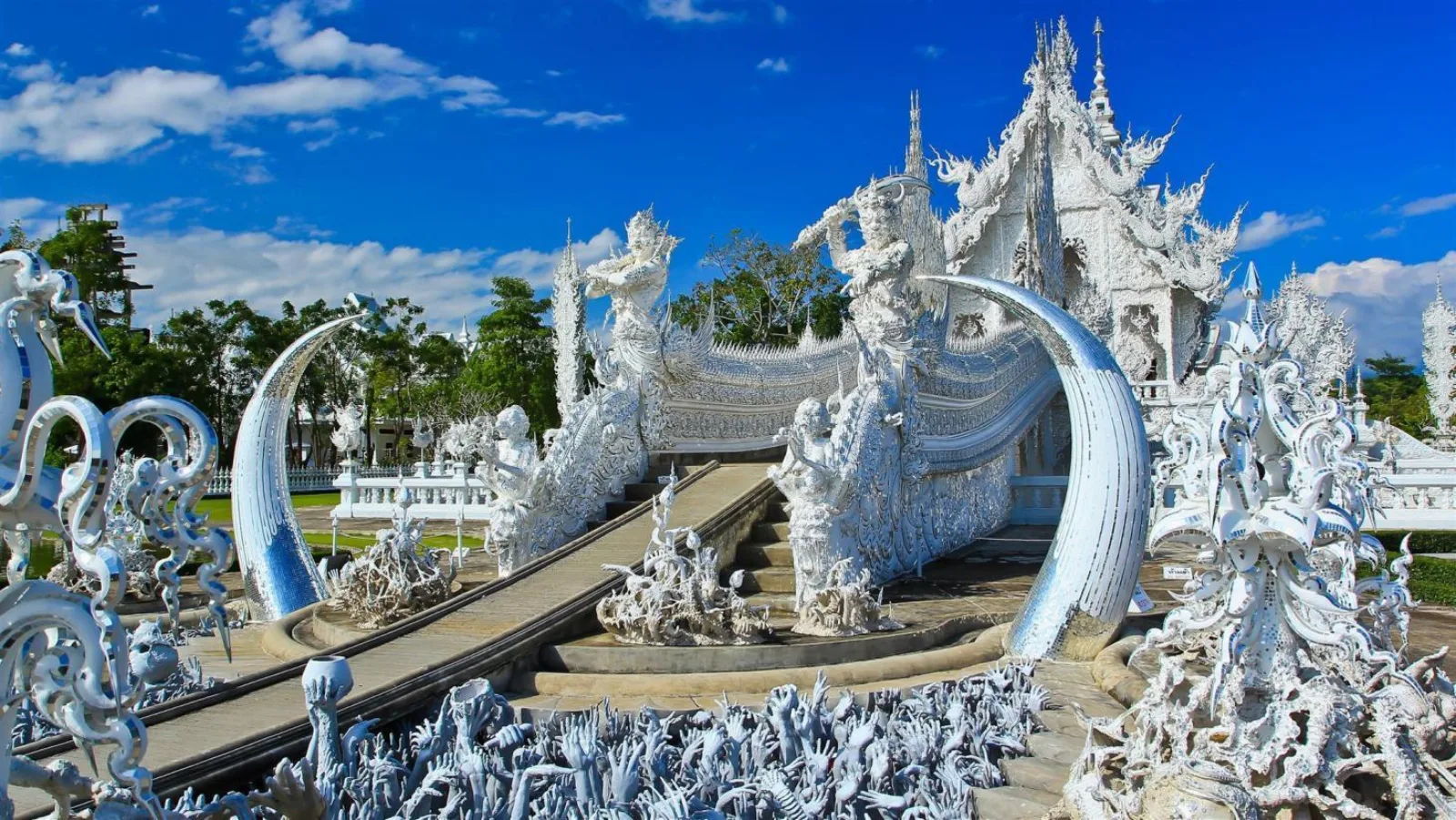
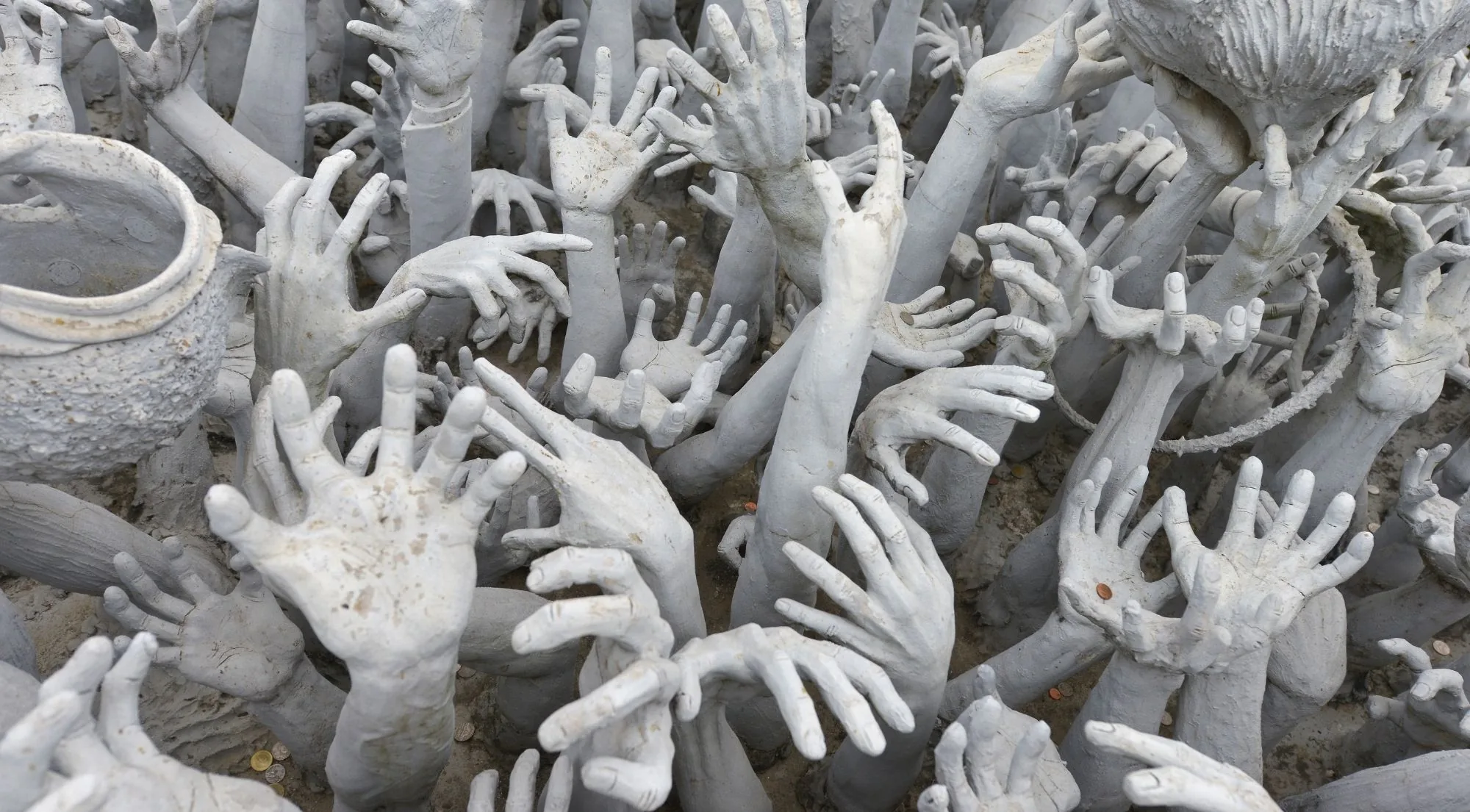
The White Temple looks like a fairytale from the car park and tells a darker story up close. Artist Chalermchai Kositpipat began rebuilding it in 1997, and it is still unfinished. White stands for purity and the mirror glass for wisdom. The bridge to the main hall crosses a pit of sculpted reaching hands that symbolize desire and suffering, and inside, murals mix Buddhist themes with pop-culture and film characters. Photos inside the hall are not allowed. Foreign visitors pay 200 THB, and the grounds open from 08:00 to about 17:30.
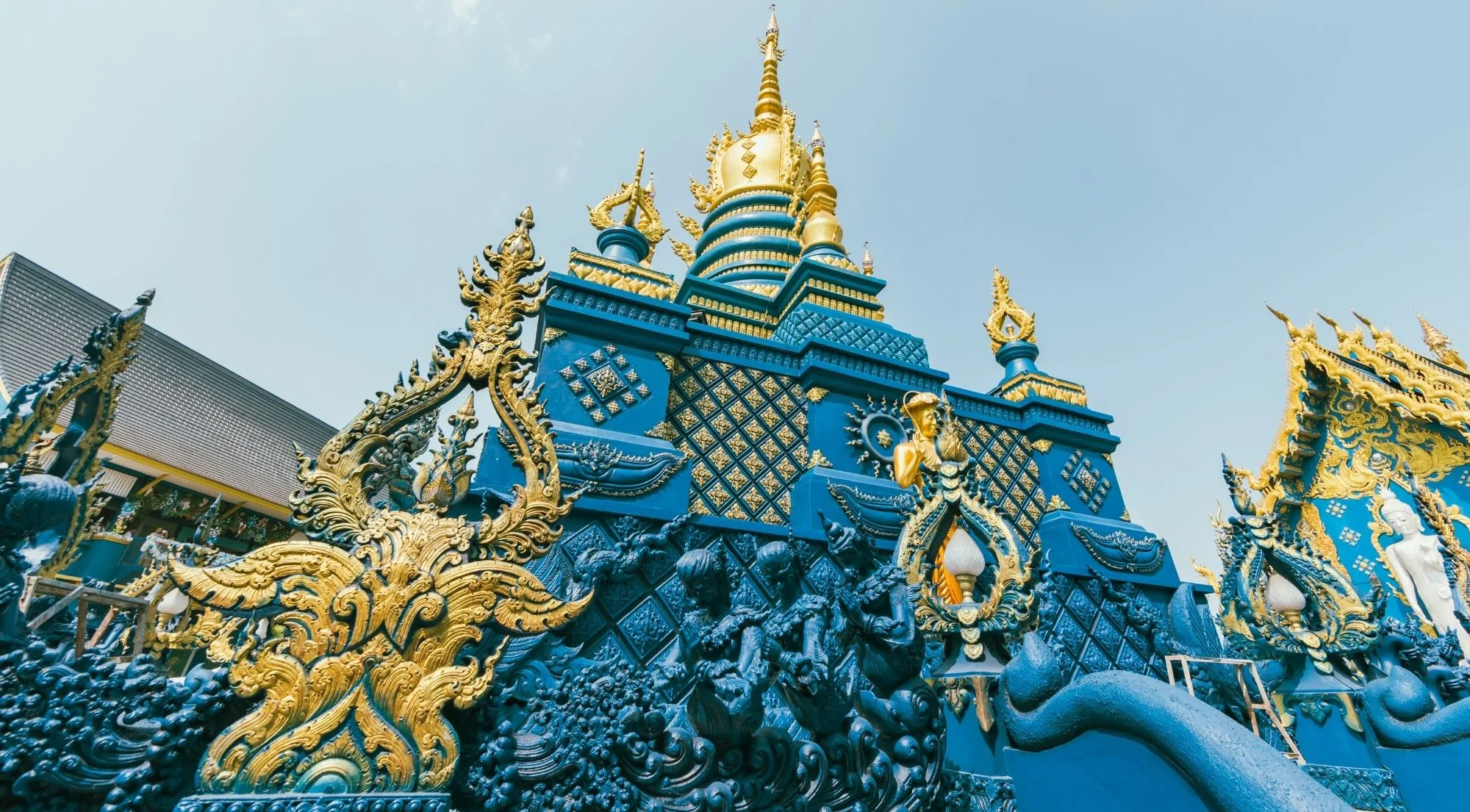
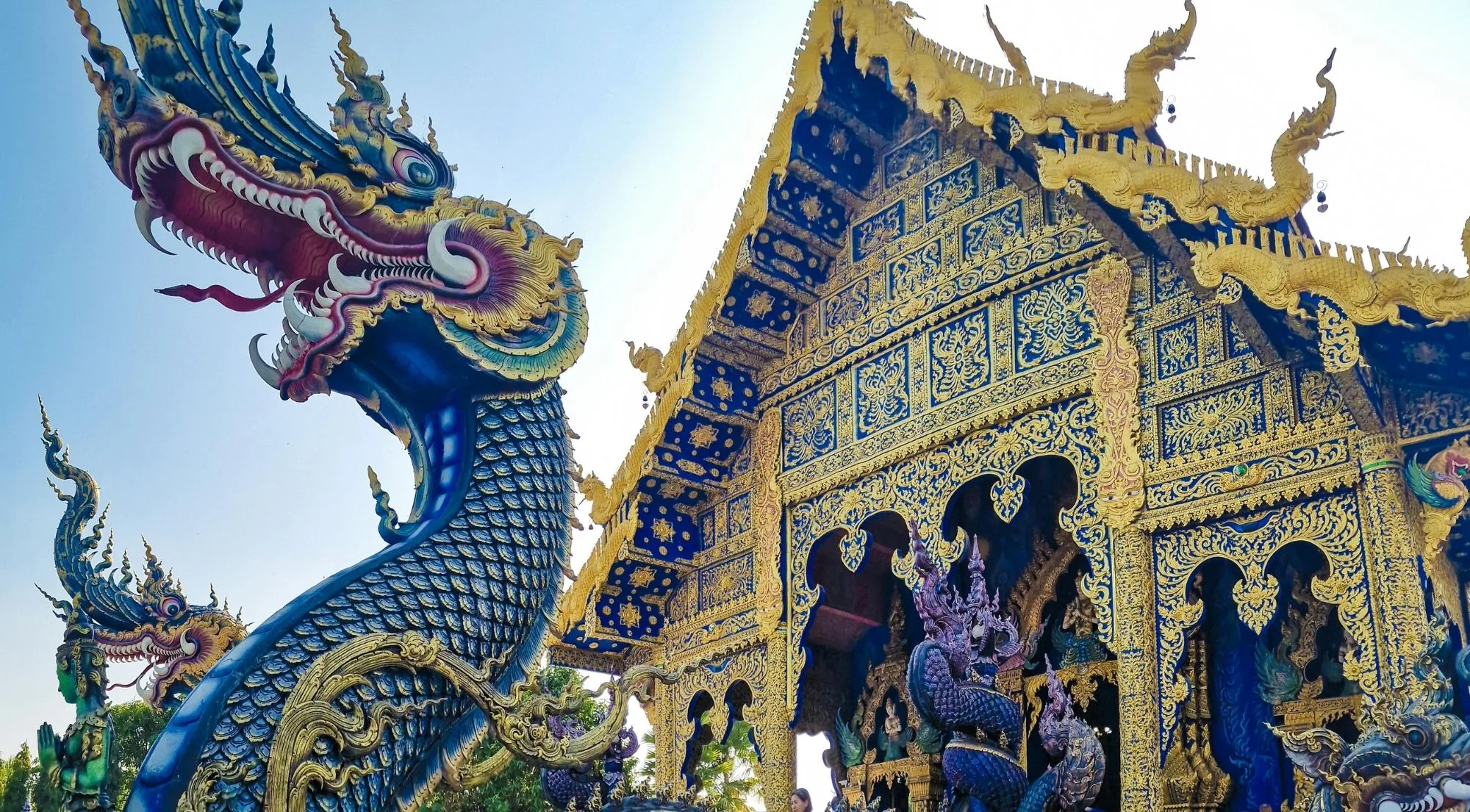
The Blue Temple is a working temple, free to enter, with a deep blue and gold hall around a large white Buddha. Phuttha Kabkaew, who trained under Chalermchai on the White Temple, finished the main hall in 2016.
The Black House is the estate of National Artist Thawan Duchanee (1939–2014): dozens of dark buildings filled with buffalo horns, animal skins, bones and carvings. Admission is 80 THB. Seen on the same afternoon, the three places could hardly look less alike, and that contrast is the reason to go.
Who is a Chiang Rai day trip for, and who should skip it?
It works well for first-time visitors with limited days, art fans, solo travelers and couples who want transport arranged, and photographers who want the White and Blue temples in one go. Photographers who care about light should know that day tours reach the White Temple in late morning, with the crowds and the glare.
Think twice if you travel with young children who need frequent breaks, if you have limited mobility (steps, uneven paths and a van seat all day), or if you get carsick, because the road has winding hill sections. The Black House’s animal remains may not suit children or animal lovers either.
Which Chiang Rai myths should you ignore?
- “The Black Temple.” The Black House is a museum, not a temple. The nickname comes from tour listings.
- “The White Temple is free.” Foreigners paid 100 THB until the end of 2025 and pay 200 THB since 1 January 2026 (Khaosod English).
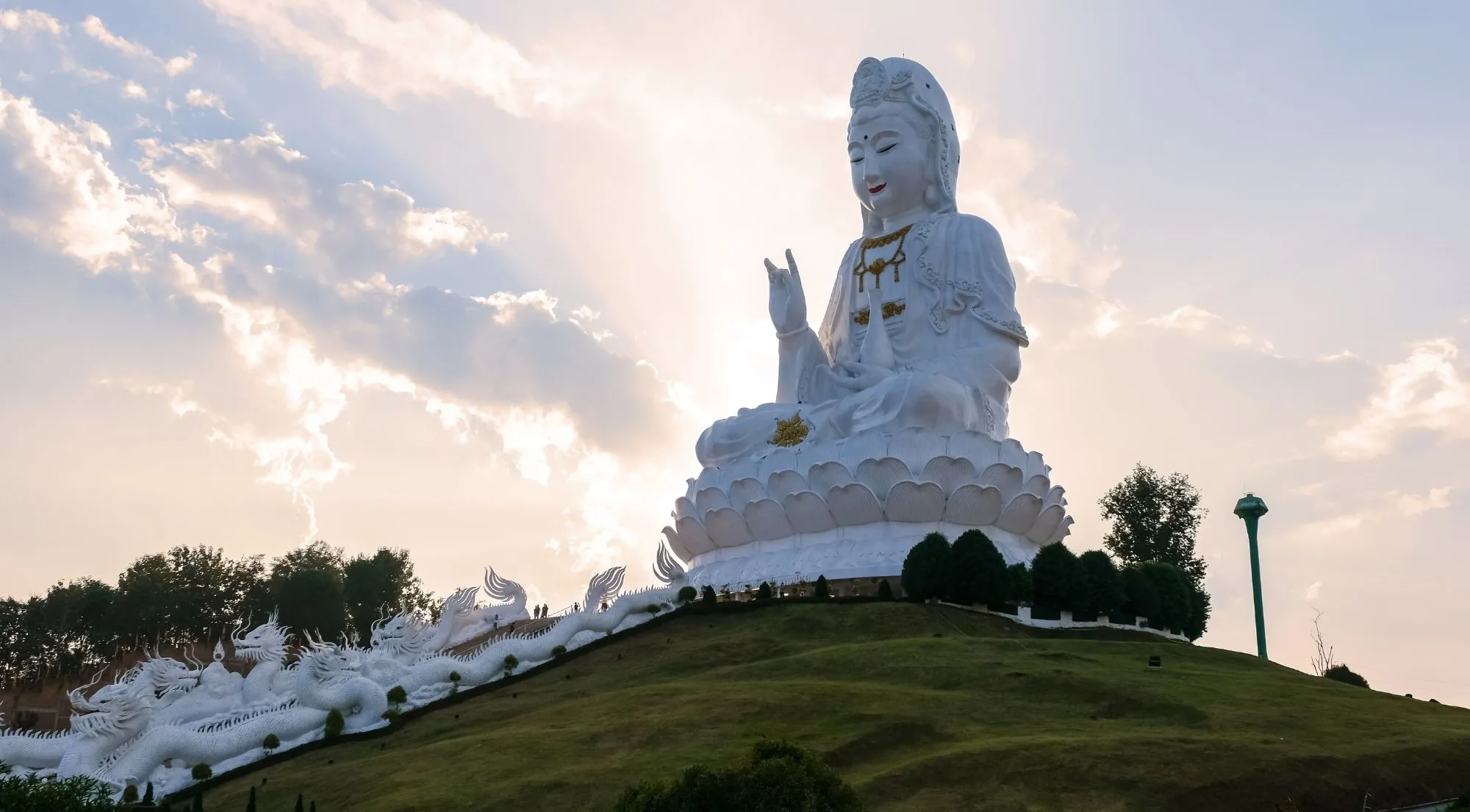
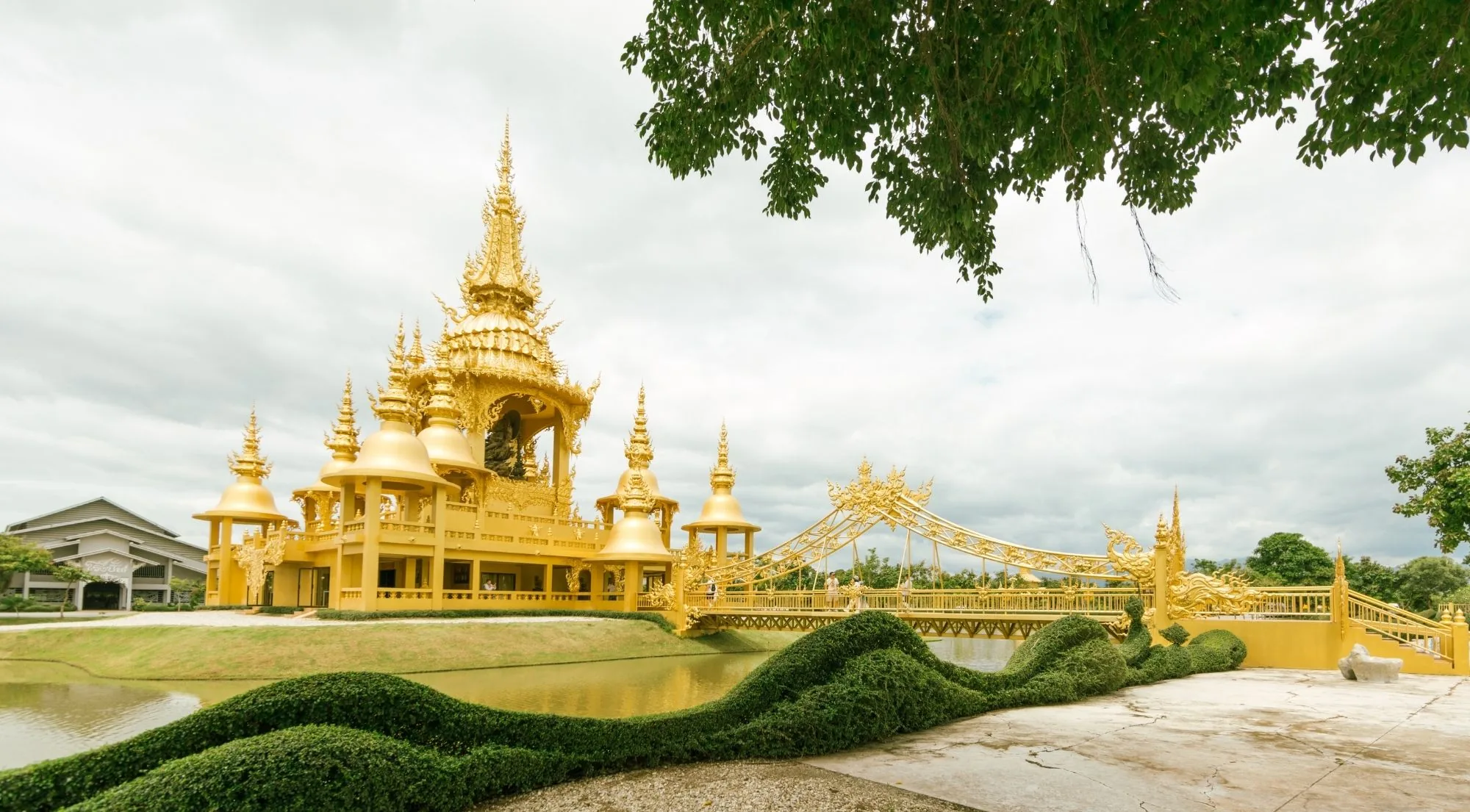
- “Every tour sees all three.” Most bestselling tours swap Baan Dam for Wat Huay Pla Kang, a hilltop temple with a giant white Guanyin statue that listings call the Red Temple or Big Buddha. The Black House is not on every tour, so read the stop list.
- “More stops means more value.” More stops is not a better tour. Five rushed stops leave you less time at the White Temple than three well-paced ones.
Will you get a guide or only a driver?
A driver and a guide are not necessarily the same person. Shared tours put a guide on board, though reviews show the quality varies from guide to guide. Some private trips are a car and a driver who gives basic commentary at most. A guide earns the fee at the White Temple, where the symbolism is half the story, and at the Black House, which can look like a puzzling pile of dark buildings without context. Check that the listing says “guide” before you pay for one; the private Chiang Rai tour page shows which private trips include a guide.
Can you visit Chiang Rai without a tour?
Yes, though it suits an overnight stay better than a day trip. Greenbus runs about 13 departures a day from Chiang Mai’s Arcade Bus Terminal, the first around 07:00, taking 3h20 to 3h45 for about 270–400 THB each way (Greenbus). The last bus back leaves around 18:00–18:30 and the sights sit outside town, so a same-day return is tight. There is no train and no direct flight.
A night in Chiang Rai lets you reach the White Temple at opening, before the day-trip vans. You can also split the difference: several tours, including the White, Blue and Big Buddha temples tour (our review), sell an “End in Chiang Rai” option at the same price, so you sightsee on the transfer and sleep there. The day trip vs overnight guide and the where to stay in Chiang Rai page cover that route.
Which Chiang Rai day tour should you book?
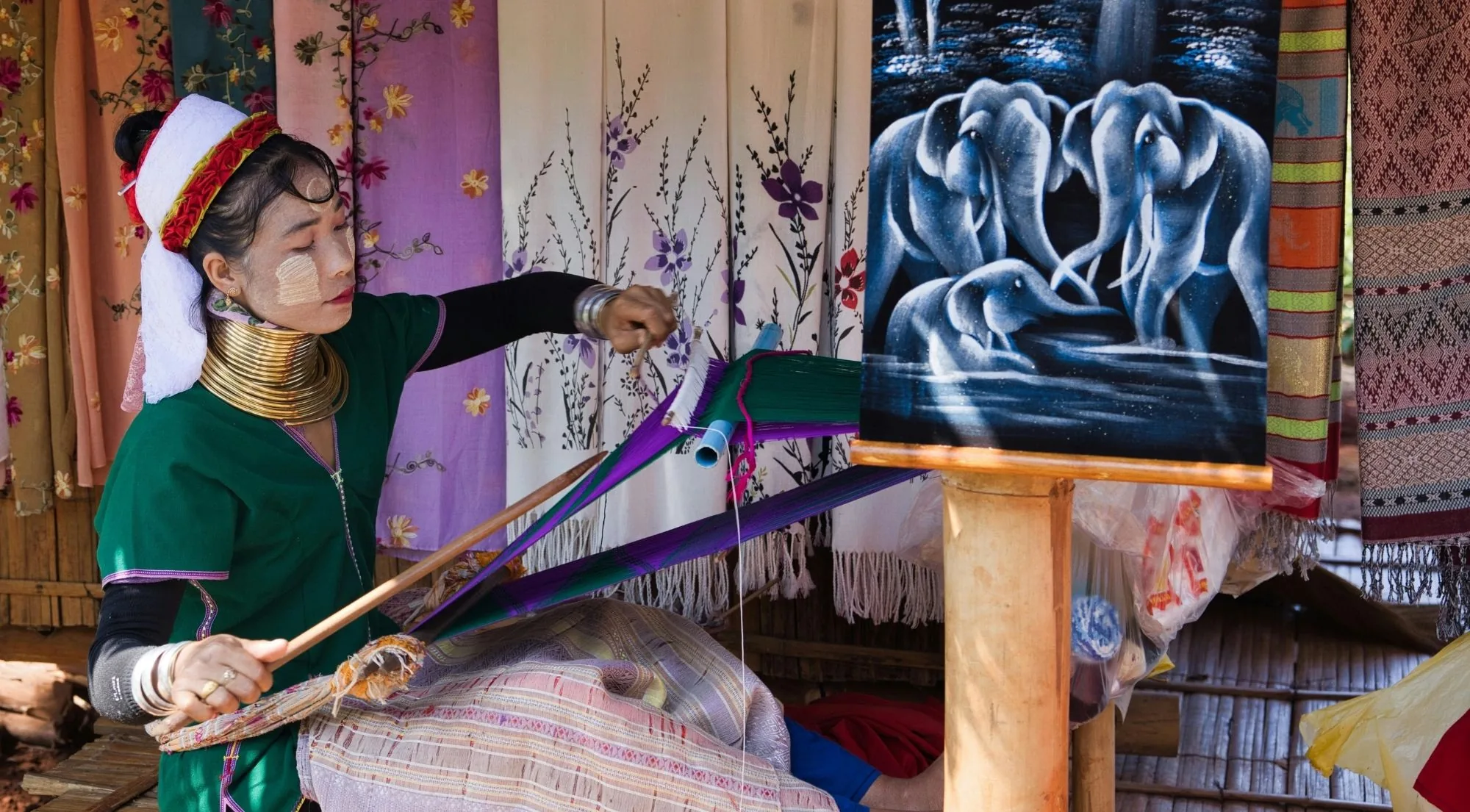
For most first-time visitors the classic temple day is enough. The White, Blue and Red temples day trip by Monkey Travel Asia (our review) costs from $29 per person, or $38 with temple tickets (checked November 2026), and holds a 4.8 rating from 9,530+ reviews. It stops at Mae Khachan hot springs, an optional Karen long-neck village, the White and Blue temples and Wat Huay Pla Kang; lunch is extra. The White Temple and Blue Temple tours page lists alternatives with lunch or a Black House stop.
The Golden Triangle, where Thailand, Laos and Myanmar meet on the Mekong, adds roughly 2–3 hours of driving, so read the Golden Triangle day trip page before you add it. For a tour-by-tour comparison, see which Chiang Rai day tour to choose.
Before you pay, check the pickup area, whether temple tickets are included and the return time. November to January brings cool, dry days; in burning season, February to April, check PM2.5 readings first (NASA Earth Observatory) and see the best time to visit guide. And skip any plan to hop into Myanmar: the Mae Sai–Tachileik crossing has been closed to foreign tourists since mid-2024. The White Temple guide covers tickets and etiquette for the day itself.
 60–90 min